Buy neolithique.eu ?
We are moving the project
neolithique.eu .
Are you interested in purchasing the domain
neolithique.eu ?
domain@kv-gmbh.de · 0541-91531010
Buy neolithique.eu ?
What comes after the Bronze Age?
After the Bronze Age comes the Iron Age. **
Where can I find a source on the topic of everyday life in the Stone Age, Bronze Age, and Iron Age?
You can find sources on the topic of everyday life in the Stone Age, Bronze Age, and Iron Age in a variety of places. One option is to look for books on prehistoric and ancient history, which often include chapters or sections on daily life during these periods. Additionally, academic journals and articles in the fields of archaeology, anthropology, and history may provide detailed information on this topic. Museums and cultural institutions may also have exhibits, educational materials, and online resources that explore the daily lives of people in these ancient eras. **

Similar search terms for Bronze Age
Top-Angebote
Products related to Bronze Age:
-
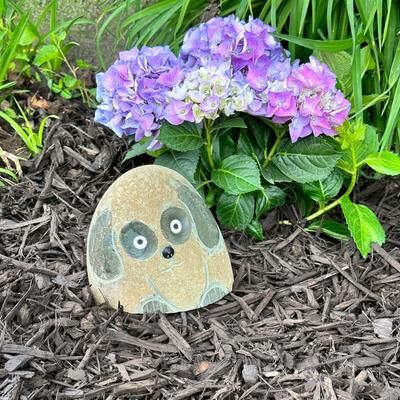
Stone Age Creations Handcrafted Granite Boulder Cat Sculpture, Unique Natural Stone AccentAdd a touch of natural beauty and charm to your space with this Granite Boulder Cat sculpture. Crafted from a solid granite boulder, each cat features hand-carved accents that bring out its unique personality.27,37 $*Shipping: 0,00 $Secure redirect to the provider
-
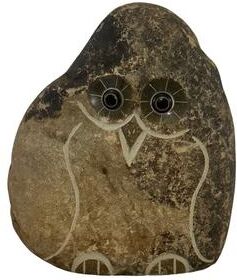
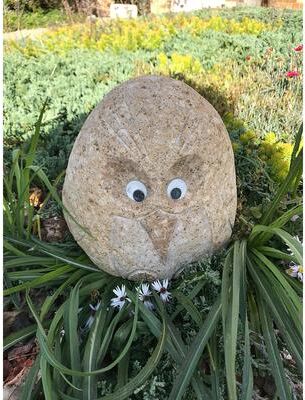
Stone Age Creations Stone Animal Collection, Hand-Carved Granite Boulder DogsDiscover Our Stone Animal Collection Bring nature’s artistry into your home or garden with our Stone Animal Collection, featuring hand-carved granite dogs that capture the essence of your favorite companion.54,55 $*Shipping: 0,00 $Secure redirect to the provider



-
What tools were there in the Stone Age?
During the Stone Age, tools were primarily made from materials such as stone, bone, and wood. Some common tools included hand axes, knives, scrapers, and spear points. These tools were used for hunting, gathering, and various other tasks necessary for survival. The development of these tools marked a significant advancement in early human societies. **
-
Why did no high civilizations emerge in Australia during the Iron Age and Bronze Age?
There are several reasons why no high civilizations emerged in Australia during the Iron Age and Bronze Age. One key factor is the lack of suitable domesticable plants and animals in Australia, which limited the development of complex agricultural societies. Additionally, the harsh and variable climate of Australia may have made it difficult for large populations to establish permanent settlements. Furthermore, the geographical isolation of Australia from other advanced civilizations may have hindered the exchange of ideas and technologies necessary for the development of high civilizations. **
-
Why did no advanced civilizations emerge in Australia during the Iron Age and Bronze Age?
There are several reasons why no advanced civilizations emerged in Australia during the Iron Age and Bronze Age. One key factor is the lack of suitable domesticable plants and animals for agriculture, which limited the development of complex societies. Additionally, Australia's isolation from other advanced civilizations meant there was less opportunity for cultural exchange and technological advancements. The harsh and variable climate of Australia also presented challenges for sustained settlement and agricultural development. **
-
Why is bronze red?
Bronze appears red because of the presence of copper in its composition. Copper is a metal that has a reddish-brown color, and when it is mixed with other metals such as tin to create bronze, it imparts a reddish hue to the alloy. The amount of copper in the bronze mixture can also affect the shade of red that is produced. **

Does gilded bronze tarnish?
Yes, gilded bronze can tarnish over time due to exposure to air and moisture. The thin layer of gold plating on the bronze can wear off, exposing the bronze underneath to oxidation, which causes tarnishing. To prevent tarnishing, it is important to clean and maintain gilded bronze objects regularly and store them in a dry, controlled environment. **
Does gilded bronze discolor?
Yes, gilded bronze can discolor over time due to a variety of factors such as exposure to air, moisture, and chemicals. The gilding on bronze can tarnish or develop a patina, which can change its color and appearance. To prevent discoloration, it is important to properly clean and maintain gilded bronze objects regularly. **
Top-Angebote
Products related to Bronze Age:
-
Stone Age Creations Stone Animal Collection, Hand-Carved Granite Boulder DogsDiscover Our Stone Animal Collection Bring nature’s artistry into your home or garden with our Stone Animal Collection, featuring hand-carved granite dogs that capture the essence of your favorite companion.38,49 $*Shipping: 0,00 $Secure redirect to the provider
-
Usborne Beginners History 10 Books Collection Box Set Educational History Books for Children - Stone Age Iron Age - HARDCOVERUsborne Beginners History 10 Books Collection Box Set Stone Age Iron Age Egyptians Ancient Greeks .. Stone Age This simple information book follows the history of Stone Age people and how they lived. Iron Age This simple information book charts the history of Iron Age people and how they lived; including their farming methods; the gods they prayed to and the hill forts where they lived. Egyptians Who were the ancient Egyptians? Why did they build pyramids and how were mummies made? Ancient Greeks Find out about Ancient Greece; what people wore; ate and did for fun and learn about some of the most famous philosophers and mathematicians of the age in this compelling book for beginner readers. Celts Who were the Celts exactly? Did you know they lived on top of hills? Do you have any idea how Celtic warriors made themselves look really scary in battle? Romans Who were the ancient Romans? Where did they go to eat; shop and wash? What did they do for fun? The Maya Who were the Maya? Where did they live? Why did they build tall stone temples? Vikings Find out what it was like to be a Viking; and learn about Viking homes; feasts; boats; gods and much more in this fascinating book. Castles Who lived in a castle; and what was it like? Children can find out the answers to these questions and lots more about the wonderful world of castles in this informative book. Digging Up the Past How do ancient things get buried? Who digs them up? And what do they find? Beginner readers can find answers to these questions and more in this colourful information book. Related Tags: Usborne, Usbourne14,99 £*Shipping: 2,99 £Secure redirect to the provider
-
What comes after the Bronze Age?
After the Bronze Age comes the Iron Age. **
-
Where can I find a source on the topic of everyday life in the Stone Age, Bronze Age, and Iron Age?
You can find sources on the topic of everyday life in the Stone Age, Bronze Age, and Iron Age in a variety of places. One option is to look for books on prehistoric and ancient history, which often include chapters or sections on daily life during these periods. Additionally, academic journals and articles in the fields of archaeology, anthropology, and history may provide detailed information on this topic. Museums and cultural institutions may also have exhibits, educational materials, and online resources that explore the daily lives of people in these ancient eras. **
-
What tools were there in the Stone Age?
During the Stone Age, tools were primarily made from materials such as stone, bone, and wood. Some common tools included hand axes, knives, scrapers, and spear points. These tools were used for hunting, gathering, and various other tasks necessary for survival. The development of these tools marked a significant advancement in early human societies. **
-
Why did no high civilizations emerge in Australia during the Iron Age and Bronze Age?
There are several reasons why no high civilizations emerged in Australia during the Iron Age and Bronze Age. One key factor is the lack of suitable domesticable plants and animals in Australia, which limited the development of complex agricultural societies. Additionally, the harsh and variable climate of Australia may have made it difficult for large populations to establish permanent settlements. Furthermore, the geographical isolation of Australia from other advanced civilizations may have hindered the exchange of ideas and technologies necessary for the development of high civilizations. **
Similar search terms for Bronze Age
-
Stone Age Creations Handcrafted Granite Boulder Cat Sculpture, Unique Natural Stone AccentAdd a touch of natural beauty and charm to your space with this Granite Boulder Cat sculpture. Crafted from a solid granite boulder, each cat features hand-carved accents that bring out its unique personality.27,37 $*Shipping: 0,00 $Secure redirect to the provider
-
Stone Age Creations Stone Animal Collection, Hand-Carved Granite Boulder DogsDiscover Our Stone Animal Collection Bring nature’s artistry into your home or garden with our Stone Animal Collection, featuring hand-carved granite dogs that capture the essence of your favorite companion.54,55 $*Shipping: 0,00 $Secure redirect to the provider
-
Stone Age Creations Stone Animal Collection, Hand-Carved Granite Boulder DogsDiscover Our Stone Animal Collection Bring nature’s artistry into your home or garden with our Stone Animal Collection, featuring hand-carved granite dogs that capture the essence of your favorite companion.70,13 $*Shipping: 0,00 $Secure redirect to the provider
-
Why did no advanced civilizations emerge in Australia during the Iron Age and Bronze Age?
There are several reasons why no advanced civilizations emerged in Australia during the Iron Age and Bronze Age. One key factor is the lack of suitable domesticable plants and animals for agriculture, which limited the development of complex societies. Additionally, Australia's isolation from other advanced civilizations meant there was less opportunity for cultural exchange and technological advancements. The harsh and variable climate of Australia also presented challenges for sustained settlement and agricultural development. **
-
Why is bronze red?
Bronze appears red because of the presence of copper in its composition. Copper is a metal that has a reddish-brown color, and when it is mixed with other metals such as tin to create bronze, it imparts a reddish hue to the alloy. The amount of copper in the bronze mixture can also affect the shade of red that is produced. **
-
Does gilded bronze tarnish?
Yes, gilded bronze can tarnish over time due to exposure to air and moisture. The thin layer of gold plating on the bronze can wear off, exposing the bronze underneath to oxidation, which causes tarnishing. To prevent tarnishing, it is important to clean and maintain gilded bronze objects regularly and store them in a dry, controlled environment. **
-
Does gilded bronze discolor?
Yes, gilded bronze can discolor over time due to a variety of factors such as exposure to air, moisture, and chemicals. The gilding on bronze can tarnish or develop a patina, which can change its color and appearance. To prevent discoloration, it is important to properly clean and maintain gilded bronze objects regularly. **
* All prices are inclusive of VAT and, if applicable, plus shipping costs. The offer information is based on the details provided by the respective shop and is updated through automated processes. Real-time updates do not occur, so deviations can occur in individual cases. ** Note: Parts of this content were created by AI.